
Rapid, Accurate, Repeatable
Display Testing Solutions
Spectroradiometer-based solutions for optimum precision
Gamma’s display test and measurement solutions are powered by our industry-leading spectroradiometer reference, ensuring superior accuracy. Improve quality and efficiency while reducing costs with precision testing solutions optimized for your application.
What We Measure







GS™ Spot Testing Spectroradiometers
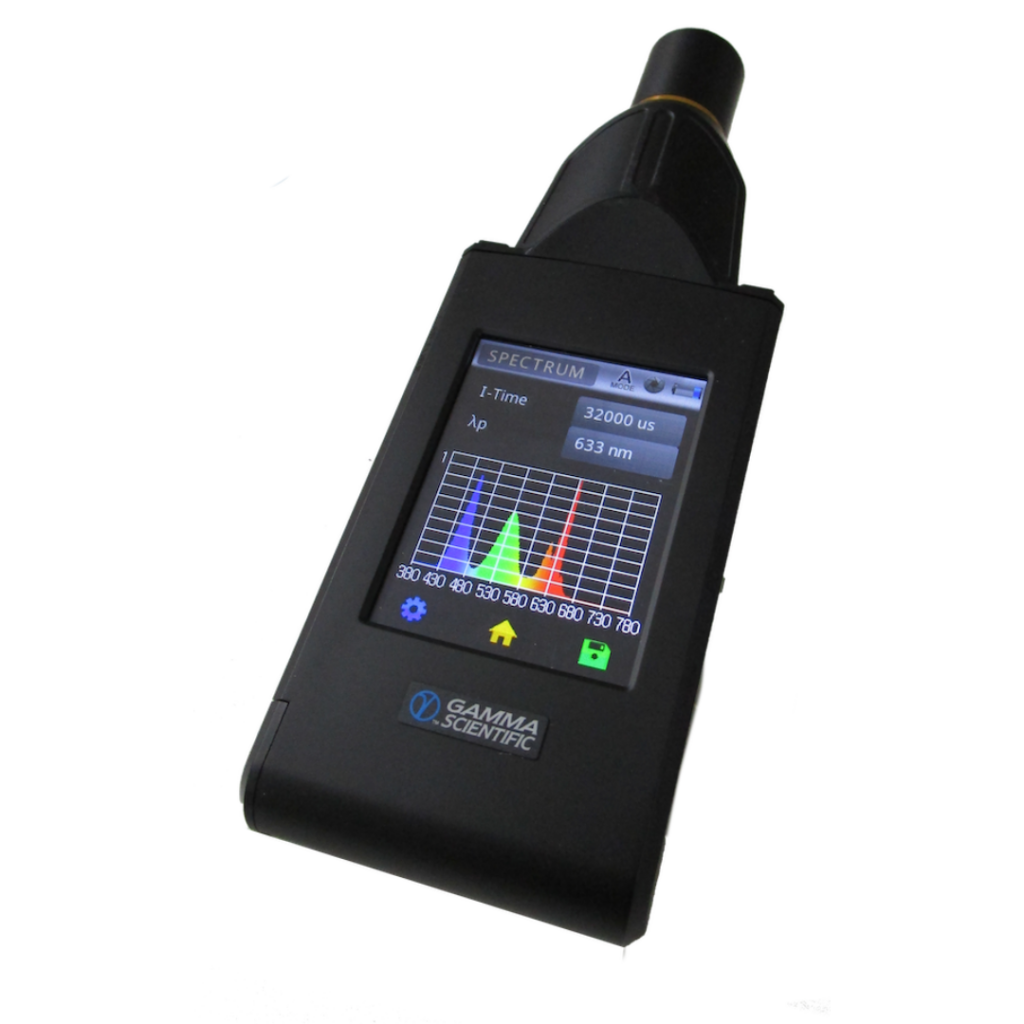

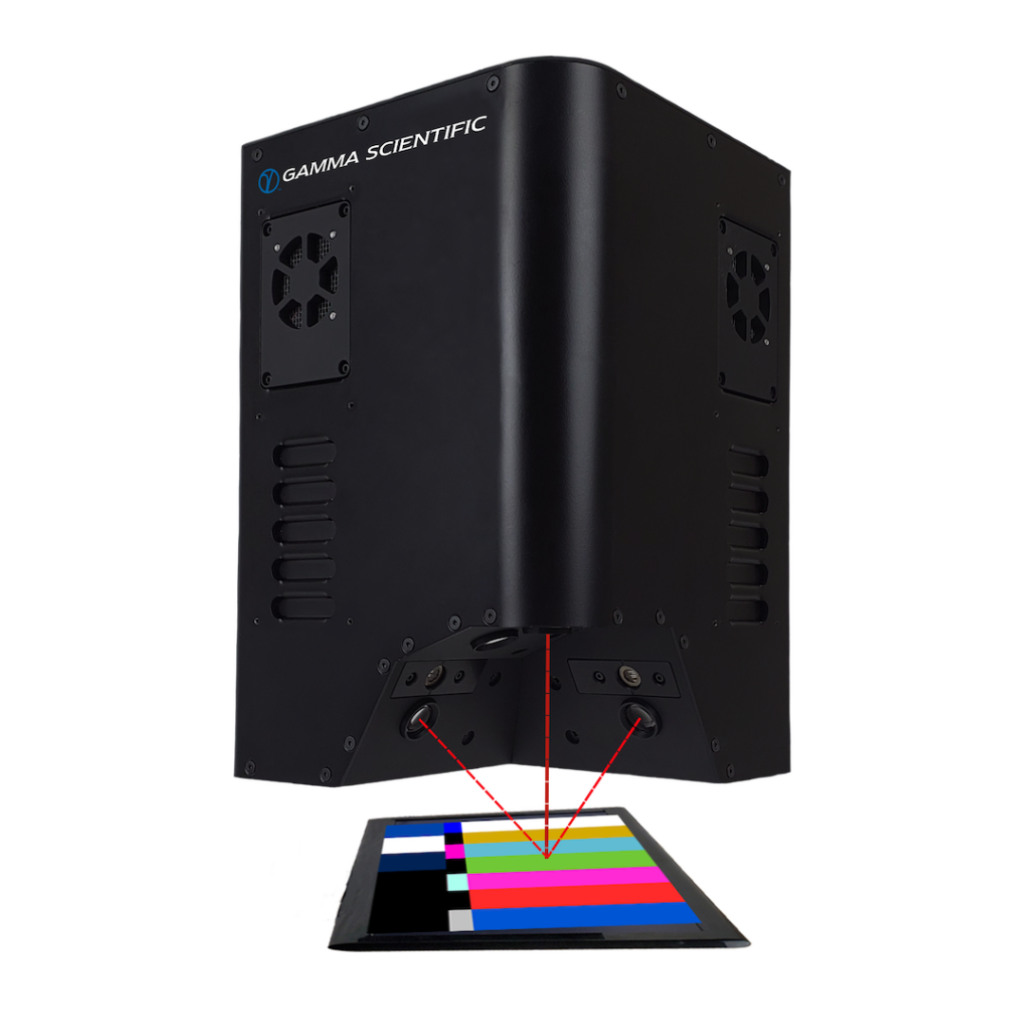
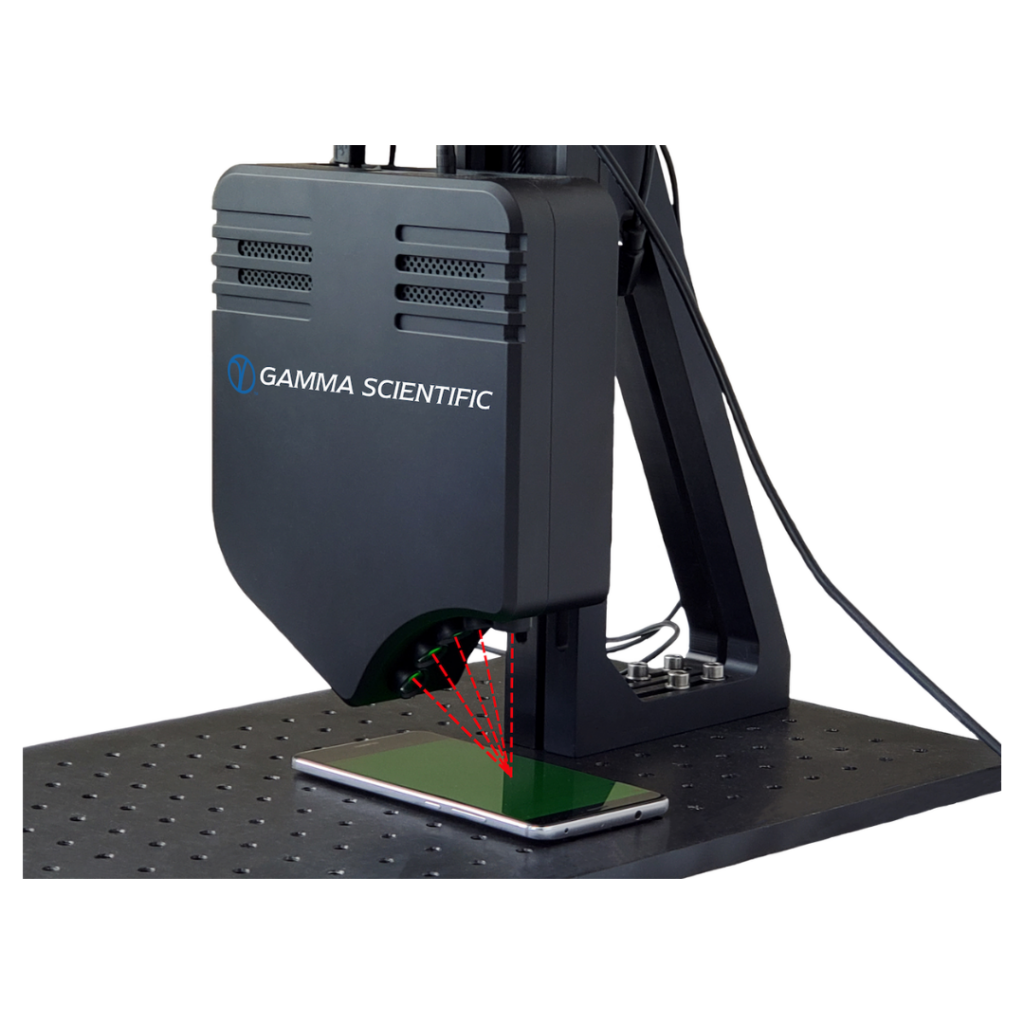
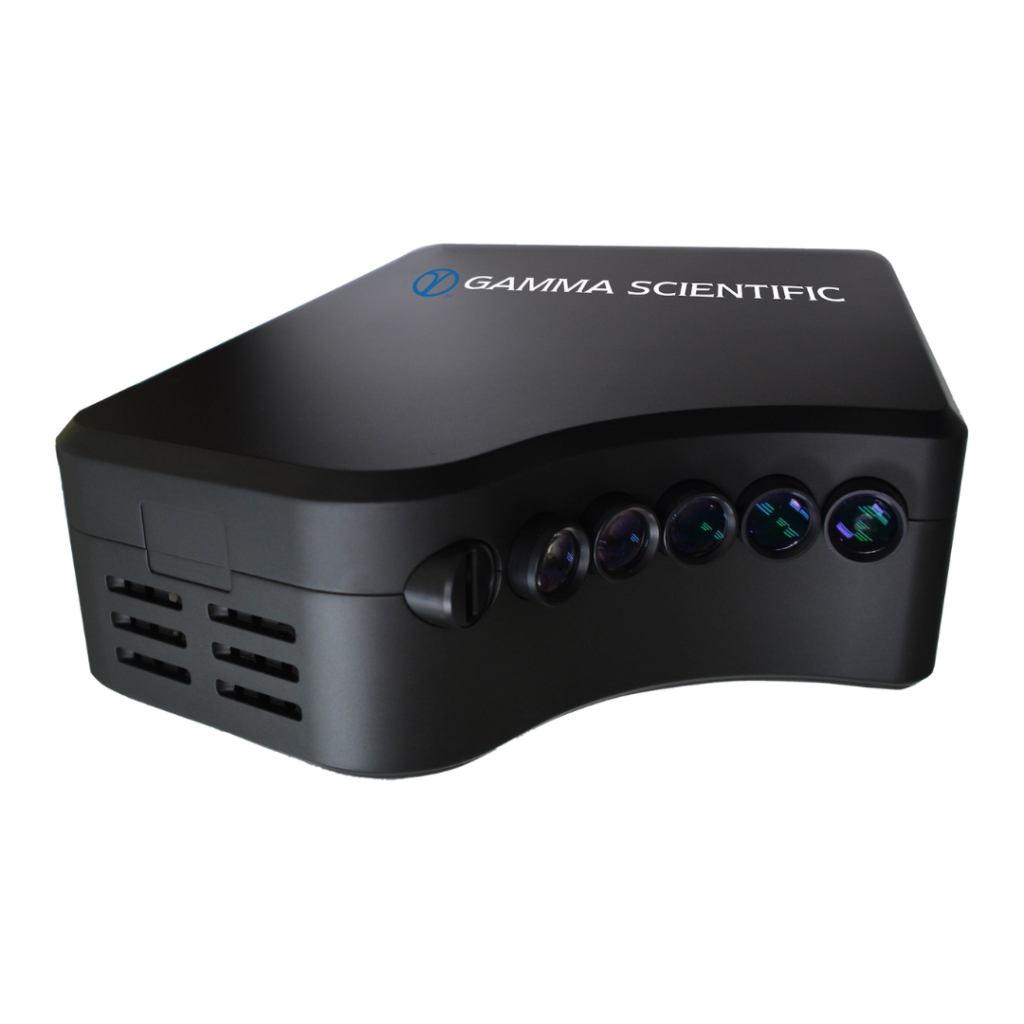
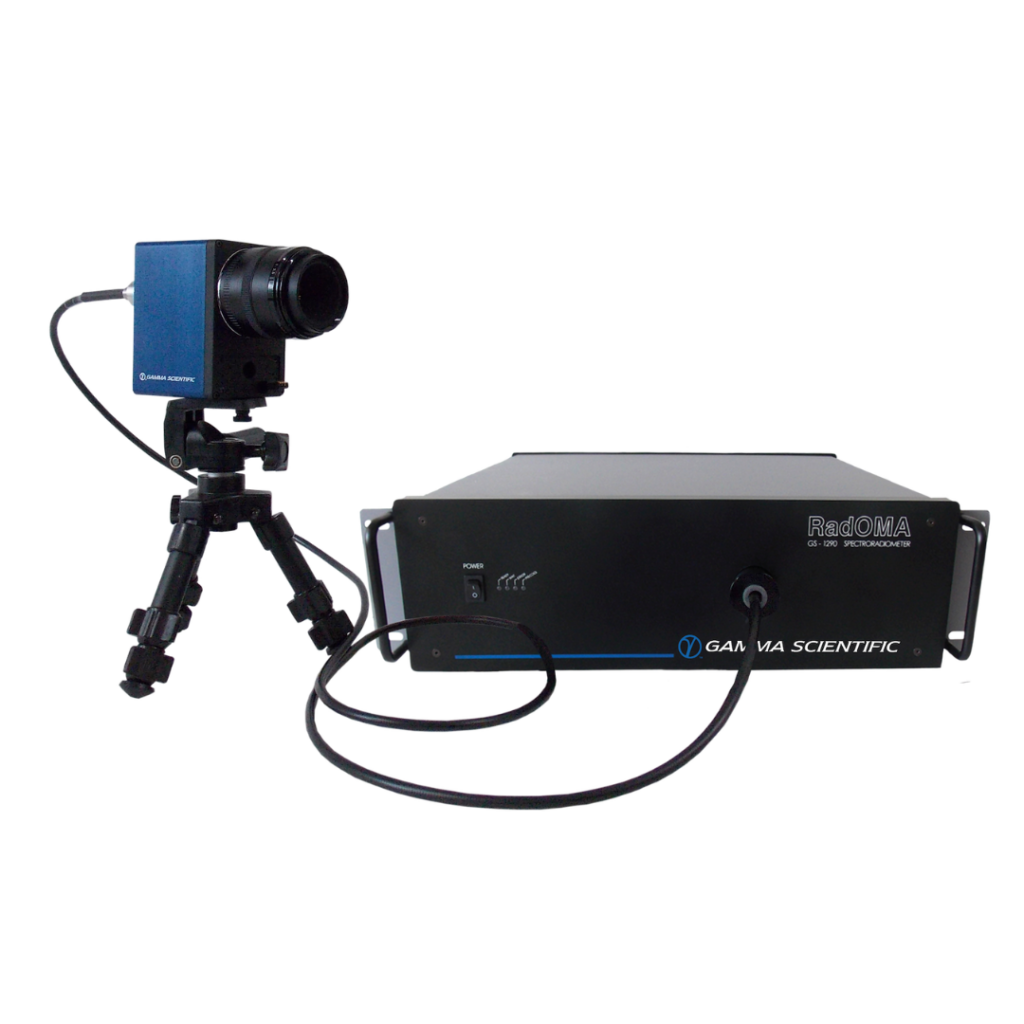
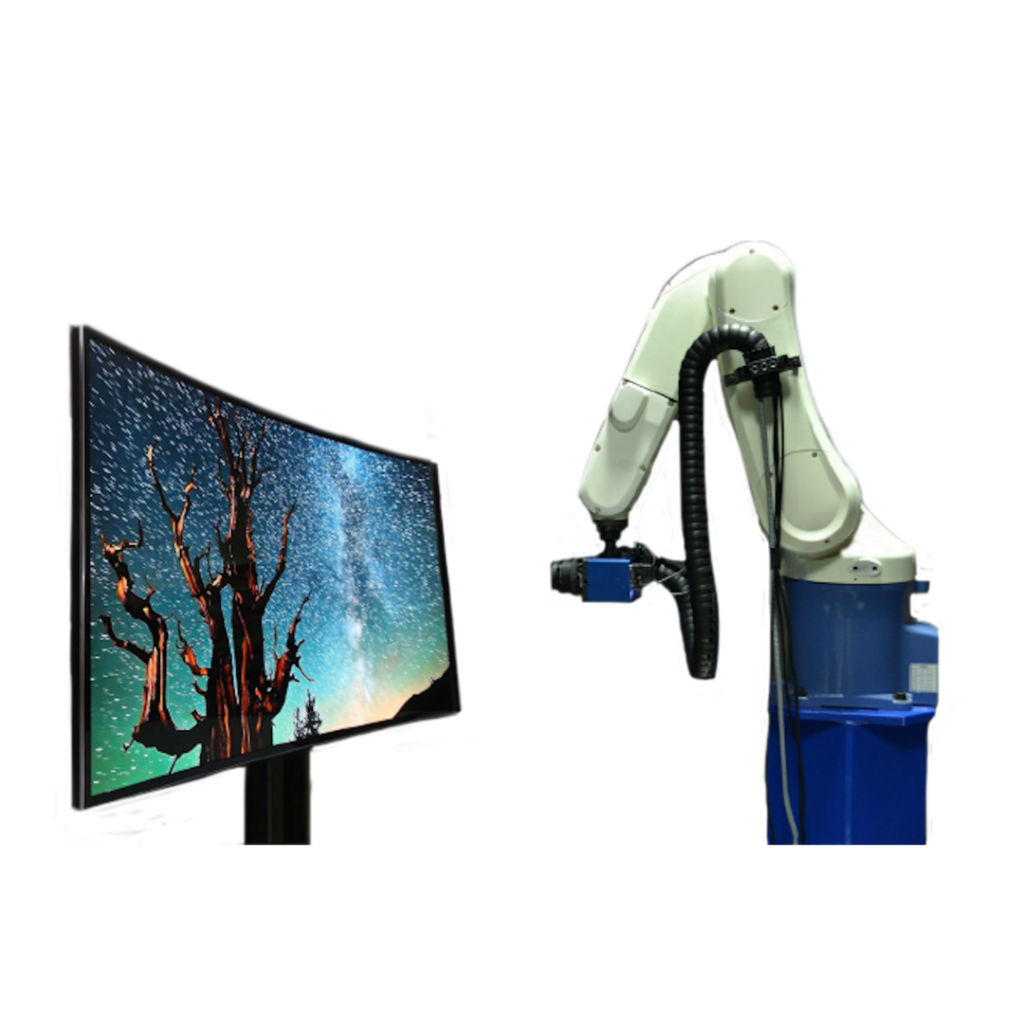
Our GS™ Series is the leading display measurement spot-testing solution, differentiated by our innovative spectroradiometer. Our range of solutions include handheld and portable instruments, laboratory equipment, and fully automated production inspection systems. Products can be configured to specific requirements, and fully custom solutions are also available.
GS™ Comparison chart
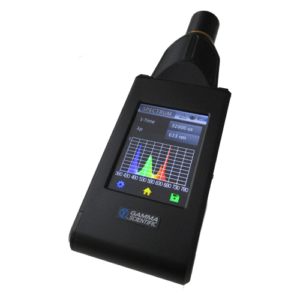
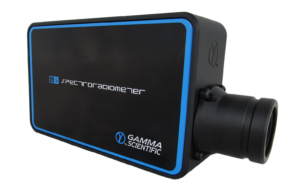
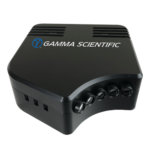
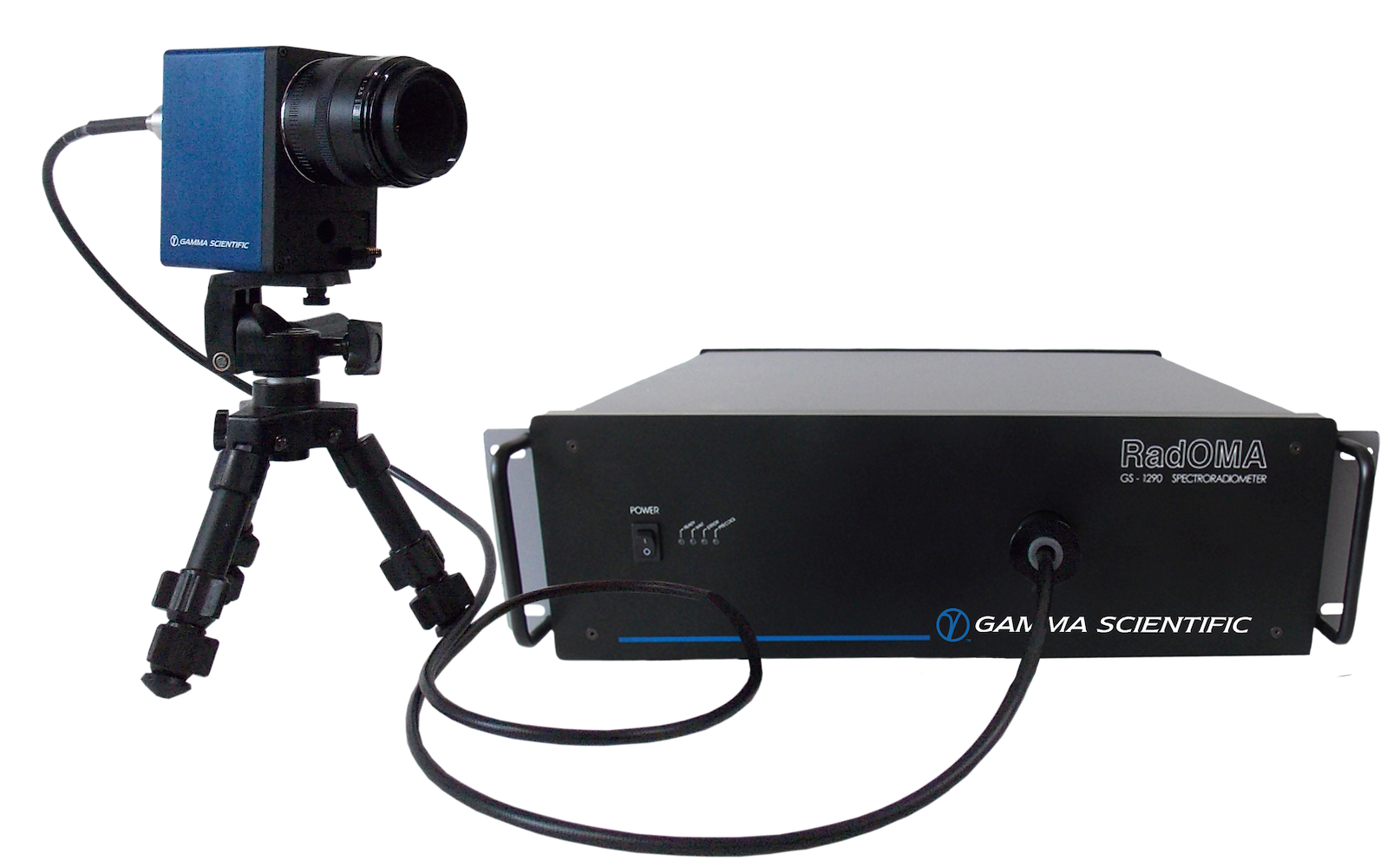
| GS 1160 | GS 1160B | GS 116X | GS 1290 | GS 1290 – RB | GS 1290 – NVIS | |
|---|---|---|---|---|---|---|
| Form Factor | Handheld | Compact | Benchtop | Benchtop | 6 Axis Robotic | Benchtop |
| Spectrometer Type | Spot | Spot | Spot | Array | Array | Array |
| Dynamic Range (Nits) | 05 – 5,000 | 05 – 5,000 | 05 – 5,000 | .005 – 675,000 | .005 – 21,900,000 | .005 – 21,900,000 |
| Multi-Angle | – | – | (3 – 6) | – | – | – |
| Night Vision | – | – | – | – | – | |
| Flicker | – | – | – | |||
| Goniometric | – | – | – | |||
| Lens Option | – | – | – | |||
| READ MORE | READ MORE | READ MORE | READ MORE | READ MORE | READ MORE |
VDU™2D SPECTRORADIOMETERs
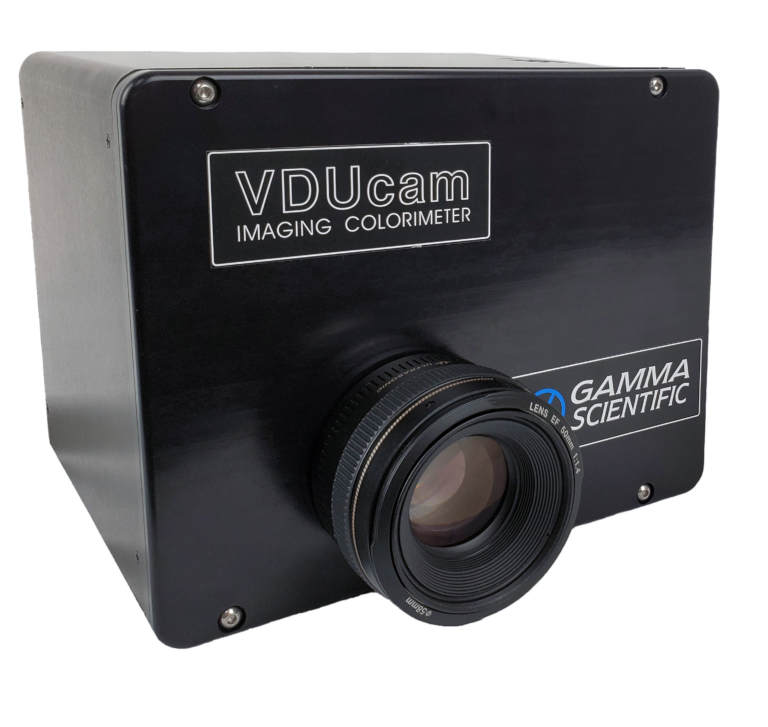
Our VDU™ series is a next generation family of 2D spectral imaging colorimeters combining the strengths of a CCD image sensor and high performance spectroradiometer. The system is particularly well suited for test and characterization of LCD, LED, OLED and quantum dot displays. Laboratory grade accuracy and flexibility are combined with high speed and durability for demanding production environments.
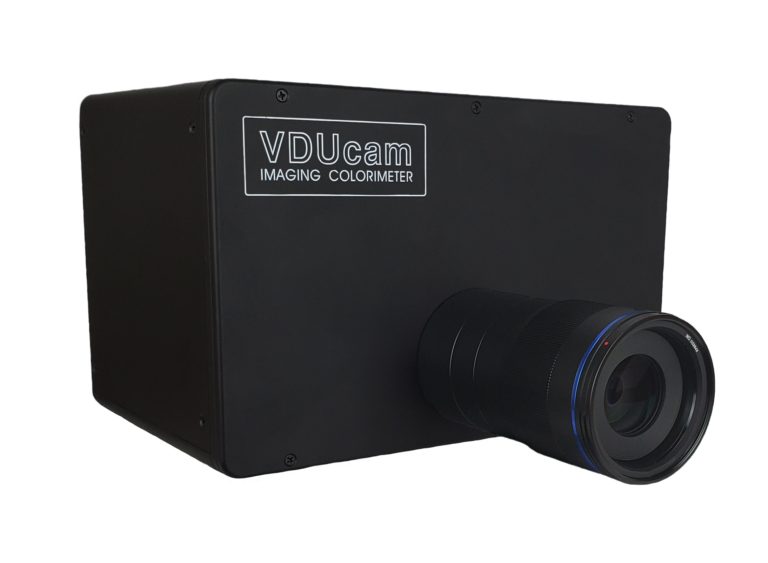
VDU™ Comparison chart
| Product Family | VDU 12 | VDU 12 – CF | VDU 65 – CF | VDU 65 – CF Macro |
|---|---|---|---|---|
| Form Factor | Benchtop | Benchtop | Benchtop | Benchtop |
| Spectrometer Type | 2D | 2D | 2D | 2D |
| Colorfilter | – | |||
| Dynamic Range (Nits) | .01 – 50,000 | .01 – 50,000 | .01 – 50,000 | 1 to 10,000,000 |
| Camera Sensor | 12 MP | 12 MP | 65 MP | 65 MP |
| Resolution | 4000 x 3000 | 4000 x 3000 | 9300 x 7000 | 9300 x 7000 |
| Standard Lens | 35 or 50mm | 35 or 50mm | 35 or 50mm | 35 or 50mm |
| Macro Lens (up to 5-10x) | – | |||
| READ MORE | READ MORE | READ MORE | READ MORE |